Papua New Guinea · Markham Valley · Morobe Province
Restoring a Forest. Empowering a Valley.
A community-led reforestation project in Papua New Guinea's Markham Valley, turning degraded grasslands into permanent native forest, sequestering carbon, growing critical biodiversity habitat, and creating real, lasting income for the 6,821 people who own this land.
3,500
Hectares — Initial Phase
19,000+
Hectares — Full Scale
6,821
Community Members
50
Year Project
June 2026Now listed on the Isometric Registry: Morobe Markham Reforestation Project is officially listed under validation · View on Isometric Registry →
About the Project
Markham Valley, Morobe Province, Papua New Guinea
New Forest on Degraded Land
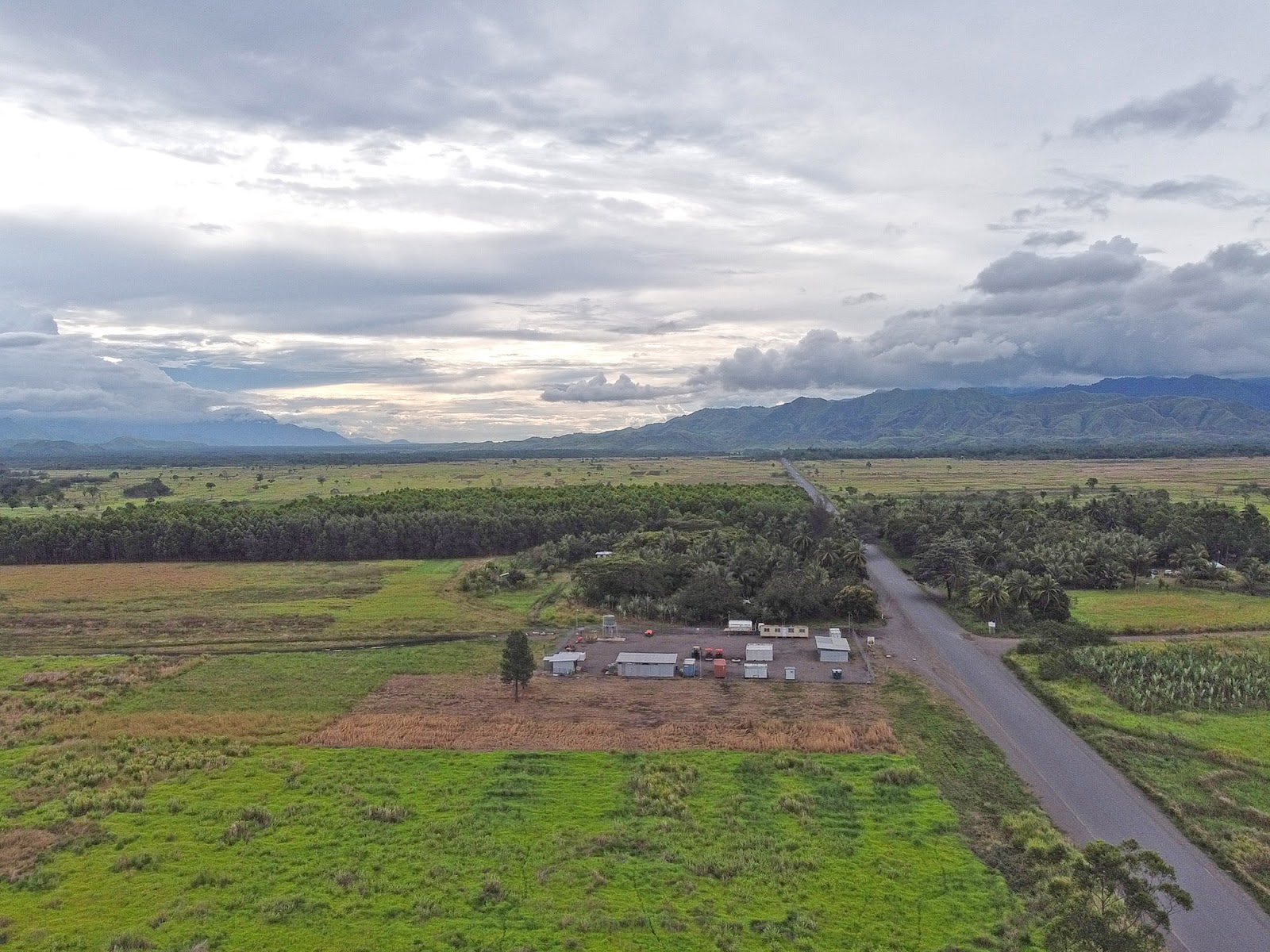
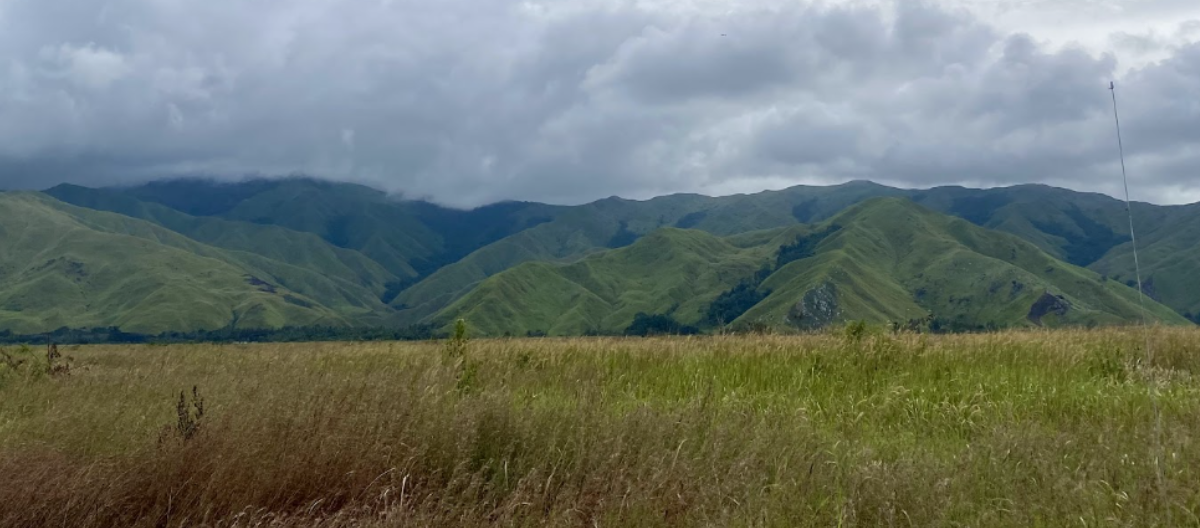
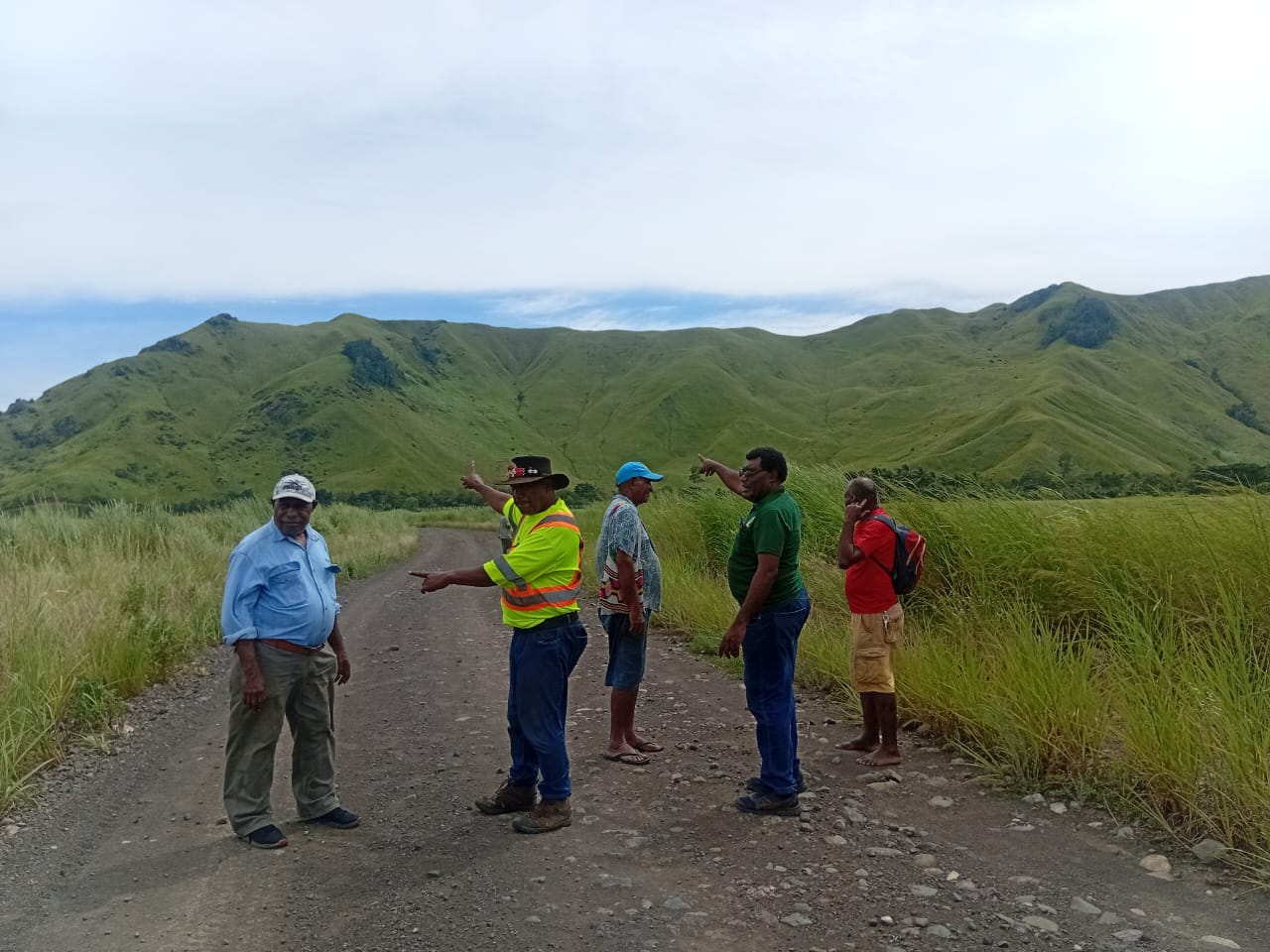
The Markham Valley lies between two mountain ranges of exceptional biodiversity, the Owen Stanley Range to the west and the Huon Peninsula ranges to the northeast. Its valley floor, one of PNG's most productive corridors, was cleared of its original forest during the colonial era and is now dominated by invasive Kunai grassland. Left alone, it won't recover. With monoculture operations starting to expand in the valley, restoring native forest here is an environmental priority.
The Morobe Markham Reforestation Project works directly with the Namoant Incorporated Land Group, the customary owners of this land, to establish a diverse, multi-layered native rainforest where degraded grassland stands today. Ownership stays with the Namoant ILG in perpetuity, with local stewardship built into the project from the ground up.
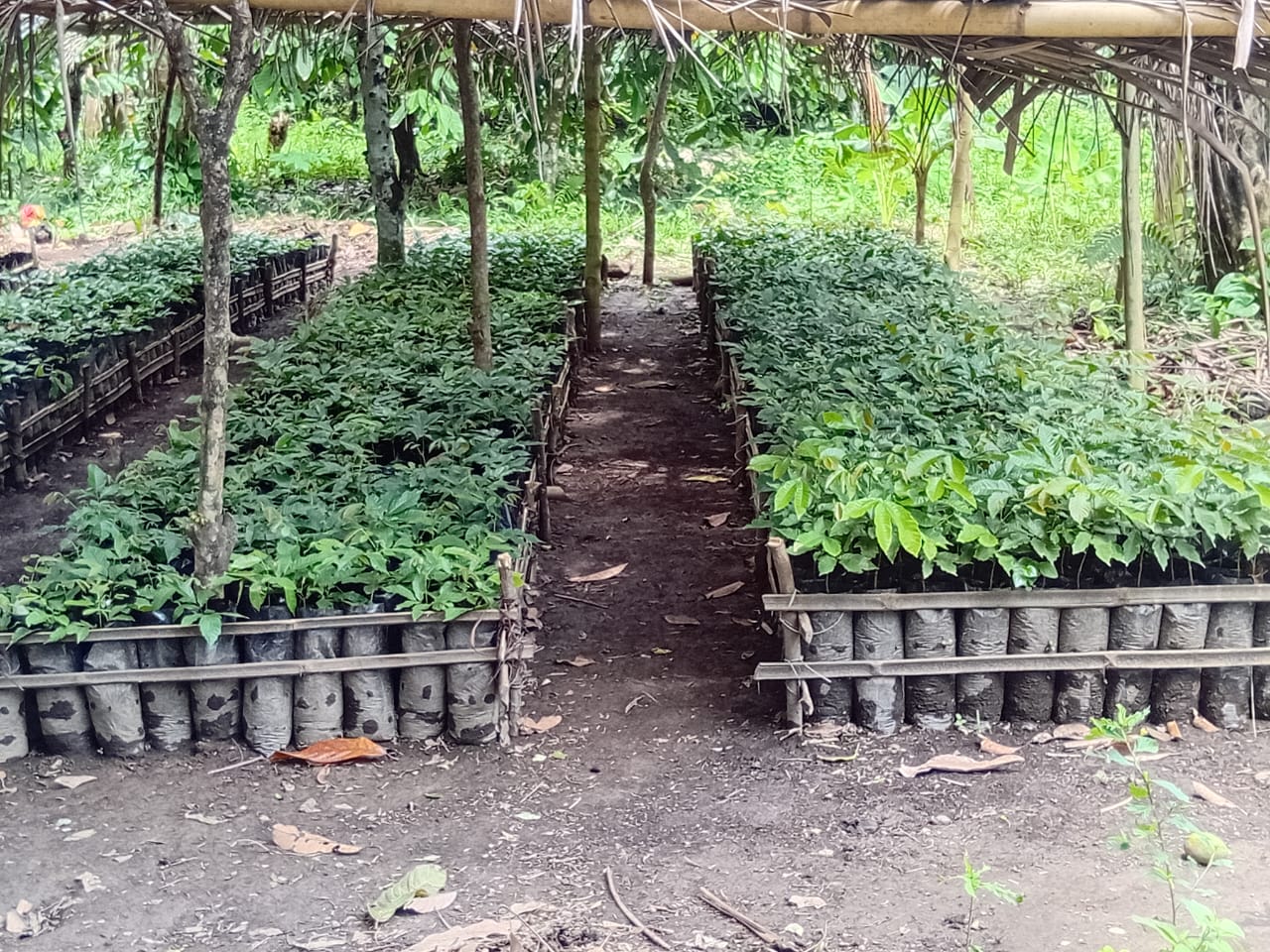
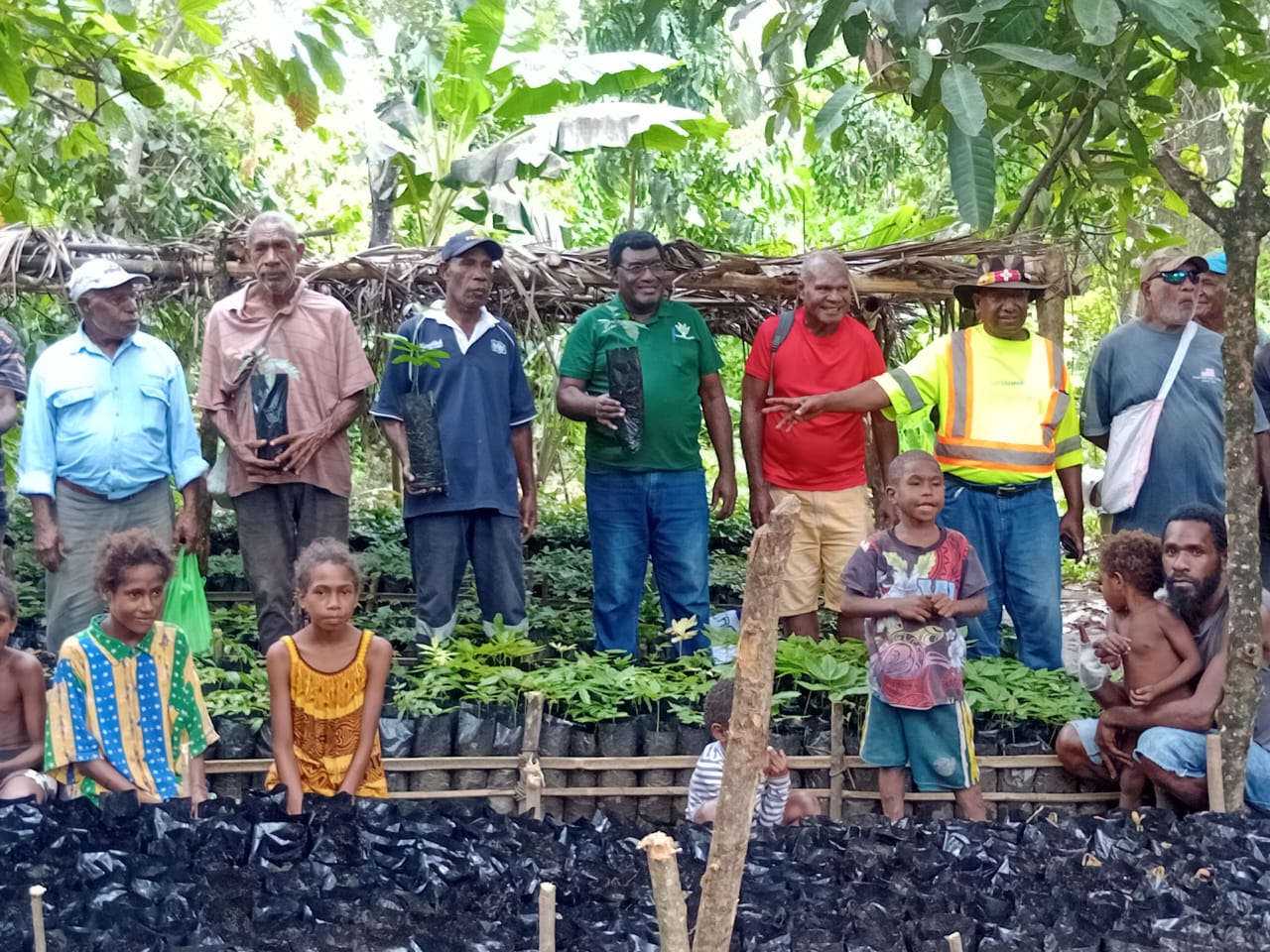
In partnership with MMRP's local foresters, community members are already on the ground, running nurseries and planting thousands of native trees across the pilot area. The pilot has proven the model. Full-scale implementation is the next step.
17
Clans of the Namoant ILG, the customary landowners and co-stewards of the project area
Planting Programs
Two Approaches. One Forest.
The project operates two distinct and complementary reforestation programs, each designed to maximise carbon removal, ecological restoration, and community participation.
01
Shelterwood Plantation Program
A technically managed plantation program using a modified shelterwood silvicultural system to establish a structurally complex native forest across accessible areas of the project.
Phase 1Native nurse trees planted at 300 trees/ha, Albizia, Kamarere, Casuarina, rapidly improving degraded soils and establishing initial canopy (Years 0-2)
Phase 2Enrichment planting of native hardwoods and food-bearing species, building a multi-layered forest resembling natural succession (Years 3-8)
MaturityFully stocked, vertically stratified native forest after 20 years, requiring minimal maintenance
ScaleInitial target: 3,500 ha · Expansion pathway: 19,000+ ha
02
Assisted Natural Regeneration (ANR)
A community-led program carried out by the clans and villagers of the Markham Valley in less accessible areas, working with nature to accelerate forest recovery on degraded land.
ApproachProtecting and nurturing existing seedlings, removing invasive Kunai grass, facilitating natural seed dispersal and woody species establishment
WhoCarried out directly by local clans and community members, building ownership, practical knowledge, and long-term forest stewardship skills
ScaleNo set upper limit, a replicable, low-barrier model for communities throughout Papua New Guinea
Pilot30+ hectares already planted under the community pilot program
Project Scale
Starting with 3,500 Hectares. Growing to 19,000+.
The plantation program begins with an initial 3,500-hectare phase, with a clear pathway to expand to 19,000 hectares and beyond as the project scales. Over 710 hectares within the wider project boundary are designated as protected conservation areas.
The broader Markham Valley contains approximately 26,000 hectares of suitable degraded grassland, with 60 to 70% of the 431,400-hectare district consisting of land with reforestation potential. Neighbouring clans have already expressed interest in participating in future expansions.
The valley's forests were cleared in the late 19th and early 20th century. The project is returning them, permanently, and in the hands of the communities who own the land.
Pilot Phase (2026)50 ha
Phase 13,500 ha
Phase 219,000+ ha
Valley Potential26,000 ha
Local Nursery
Field Survey
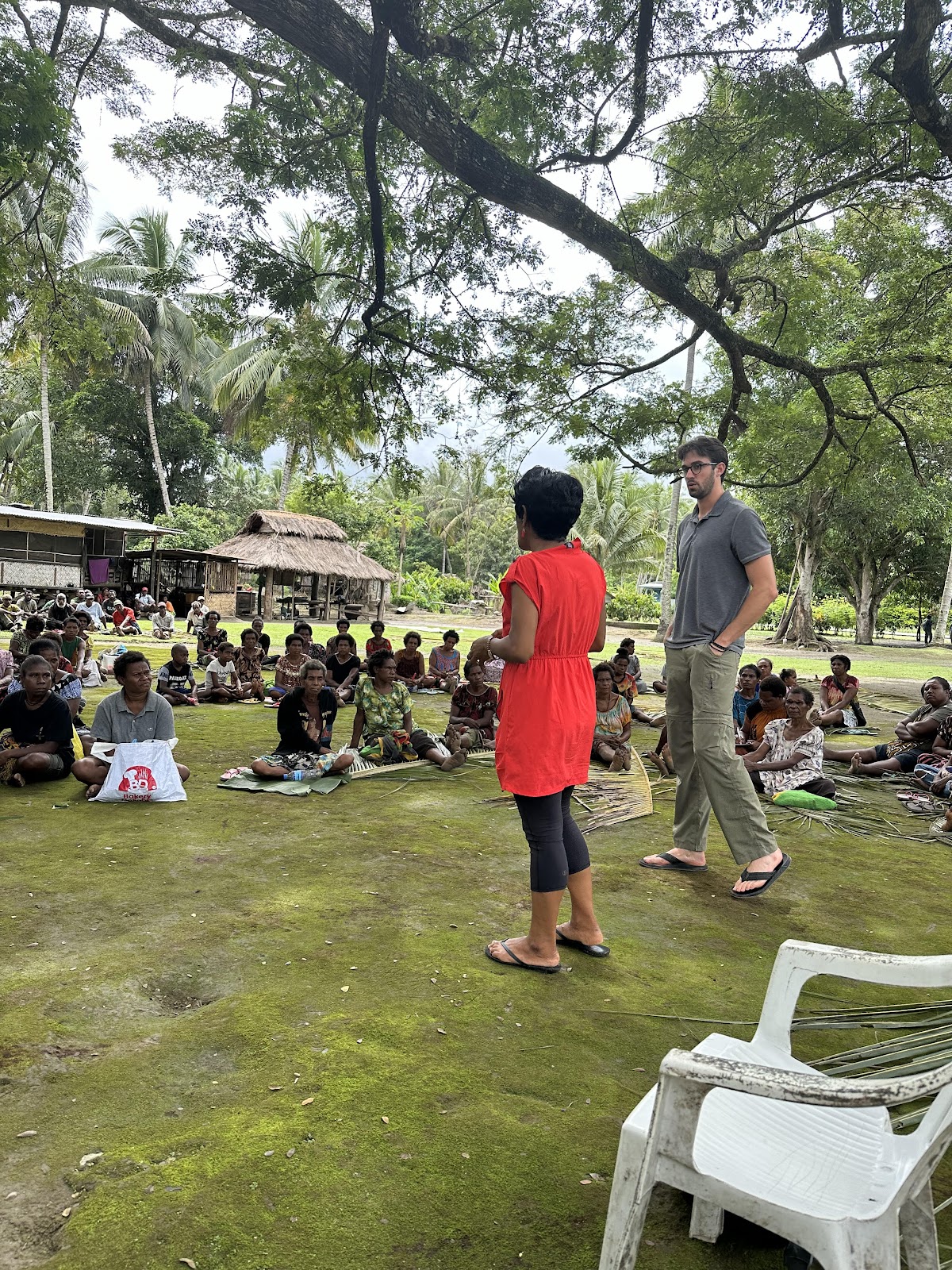
Community Engagement
Tree Species
All Native. All Purposeful.
All species selected for the project are native to Papua New Guinea, chosen for their ecological suitability, growth characteristics, carbon sequestration potential, and community value. The planting palette supports a diverse, vertically stratified forest that provides food security and income opportunities alongside long-term carbon storage.
Nurse & Pioneer Species
Fast-growing native pioneer trees selected to rapidly establish canopy cover, fix nitrogen, stabilise degraded soils, and create the conditions needed for slower-growing hardwoods to take hold. These species form the backbone of the shelterwood system in the first two years of planting.
Enrichment Species
A diverse range of native species selected to mirror the structure and composition of the Markham Valley's natural forests. Planted beneath the pioneer canopy, these species build vertical complexity, accelerate ecological succession, and establish the long-term biodiversity value of the restored forest.
Agroforestry & Food Species
Native food-bearing and agroforestry species woven through the planting design to provide direct livelihood benefits to community members, including edible nuts, fruits, and leaves, alongside strong biodiversity and habitat value for Morobe's native fauna.
Community Partnership
Built with the Namoant ILG. For the Markham Valley.
Namoant ILG, 17 Clans
The project operates on customary land held by the Namoant Incorporated Land Group, representing 6,821 people across 17 clans. Under PNG's constitutionally codified customary tenure system, the land cannot be sold, only leased. A 50-year Lease Agreement was signed July 1, 2024, following comprehensive FPIC engagement.
Free, Prior & Informed Consent
A multi-year FPIC process (2022-2024) engaged all 17 clan chairmen, with province-wide radio and newspaper outreach conducted in both English and Tok Pisin. Dedicated women-only sessions ensured gender-inclusive participation. All Community Development Committees require at least 50% women membership.
Community Benefit Sharing
The project's benefit-sharing structure was designed with the Namoant ILG before PNG's new Carbon Markets Regulation (2025). It includes an annual payment of 70 Kina per planted hectare directly to ILG members, with 70% of lease payments flowing into a community-managed Development Fund for housing, sanitation, and communications.
Land That Belongs to Them
The Kunai grasslands being reforested generate almost nothing for the communities who own them. This project creates a new forest on that land, one the Namoant ILG will hold in perpetuity. Unlike conservation projects that protect what already exists, every tree here is new. The communities aren't giving anything up. They're gaining a permanent asset on land that currently has almost no value.
ANR, Community-Led Forestry
The Assisted Natural Regeneration program places local clans and villagers at the centre of forest restoration in less accessible areas. This community-led model requires minimal external inputs and can be implemented anywhere, a replicable approach for communities throughout Papua New Guinea.
Morobe Government Support
The project is backed by the Provincial Government of Morobe at the regional level and the CCDA of Papua New Guinea at the national level, with a permit formally approved by the CCDA Board on March 18, 2026, and the Morobe Provincial Government having signed a Memorandum of Agreement in April 2023.
Certification & Timeline
Progressing Toward Full-Scale Implementation
April 2023
Morobe Provincial Government MOA
Memorandum of Agreement signed with Morobe Provincial Government establishing the legal and institutional framework for the project.
July 2024
50-Year Land Lease Agreement
Formal Lease Agreement signed with Namoant ILG following completion of FPIC process with overwhelming community support.
March 18, 2026
CCDA Board Permit Approval
Papua New Guinea's Climate Change and Development Authority formally approved the project permit, a foundational requirement for carbon credit certification.
March 23, 2026
Isometric Letter of Review
Isometric's Chief Science Officer issued a Letter of Review confirming the project demonstrates a clear and credible approach to carbon removal under the Isometric Reforestation Protocol v1.1. An additional review of datasets and methodology is underway.
June 2026
Listed on the Isometric Registry
The project is now officially listed on the Isometric Registry under validation. Project code: 910R. Crediting period: October 2026 to October 2076. View on Isometric Registry →
2026
50-Hectare Pilot Planting Phase
Formal pilot planting commenced under the plantation program, generating empirical field data to inform full-scale rollout and carbon credit quantification.
Near Term
Full-Scale Implementation
Build-out of full-scale planting operations, including a fully operational nursery capable of producing over one million native seedlings annually, plantation establishment across the initial 3,500-hectare phase, and rollout of the ANR program across community-managed areas throughout the local mountain range.
ISOMETRIC
March 23, 2026
Letter of Review, Morobe Markham Reforestation Project
"Based on our review to date, the project demonstrates a clear and credible approach to carbon removal consistent with the requirements of the Isometric Reforestation Protocol v1.1. The proposed methods, including native species planting, assisted natural regeneration, and sustainable forest management, align with established scientific and operational expectations for reforestation-driven carbon removal under comparable environmental conditions in the Markham Valley."
"We are confident, based on the evidence reviewed thus far, that the Morobe Markham Reforestation Project is generating a meaningful carbon removal signal and is well positioned to generate carbon removal credits contingent on completion of remaining review steps and adherence to applicable standards and protocols."
SK
Stacy Kauk
Chief Science Officer, Isometric
Latest News
Project Updates
Registry
June 2026
Morobe Markham Listed on Isometric Registry — Under Validation
The project is now officially listed on the Isometric Registry under validation. Project code 910R, crediting period October 2026 to October 2076, with first certificates expected in 2027. View the listing →
Papua New Guinea's Climate Change and Development Authority officially approved the project's permit application at the CCDA Board Meeting, opening the pathway to formal carbon credit certification.
Certification
March 23, 2026
Isometric Chief Science Officer Issues Letter of Review Confirming Credible Carbon Removal Approach
Isometric's Chief Science Officer confirmed the project's methods align with scientific and operational expectations under the Isometric Reforestation Protocol v1.1. An additional review is underway ahead of registry listing.
Project Partners
The Team Behind the Project
Primary Developer
Global Carbon Resources (GCR)
Primary developer and project manager with nearly a decade of experience on forest-based carbon projects in Papua New Guinea, including verified carbon credit distributions to over 13,000 local people and more than 1 million hectares of forest under sustainable management.
Finance & Technical
Nature Build Partners
Secondary developer, project finance and marketing lead, and technical support partner. A cross-disciplinary team of asset managers, project developers, and carbon market specialists with global experience in sustainable real assets and nature-based solutions.
Local PNG Partner
PNG Carbon Estate (PNG CE)
Responsible for nursery and plantation management, on-the-ground planting operations, and seedling supply chain management. Decades of forestry experience rooted in Lae, Morobe Province, including senior faculty roles at Bulolo University College of Forestry.
Customary Landowners
Namoant ILG
The Namoant Incorporated Land Group represents 6,821 customary landowners across 17 clans of the Markham Valley. The foundational community partner and co-steward of the project area, holding the land in perpetuity under PNG's customary tenure system.
Carbon Methodology
Isometric
Carbon credit methodology and certification provider under the Isometric Reforestation Protocol v1.1. The project is now officially listed on the Isometric Registry under validation, with project code 910R and first certificates expected in 2027. View on Isometric Registry →
Social Practices
Nature For Justice (N4J)
Social practices advisor providing guidance on Indigenous Peoples and Local Communities (IPLC) safeguards, community engagement best practices, and equitable benefit sharing in carbon and nature-based solution markets. Previously engaged on the Topaiyo project in PNG.